Layout
How to Arrange Furniture for Flow and Function
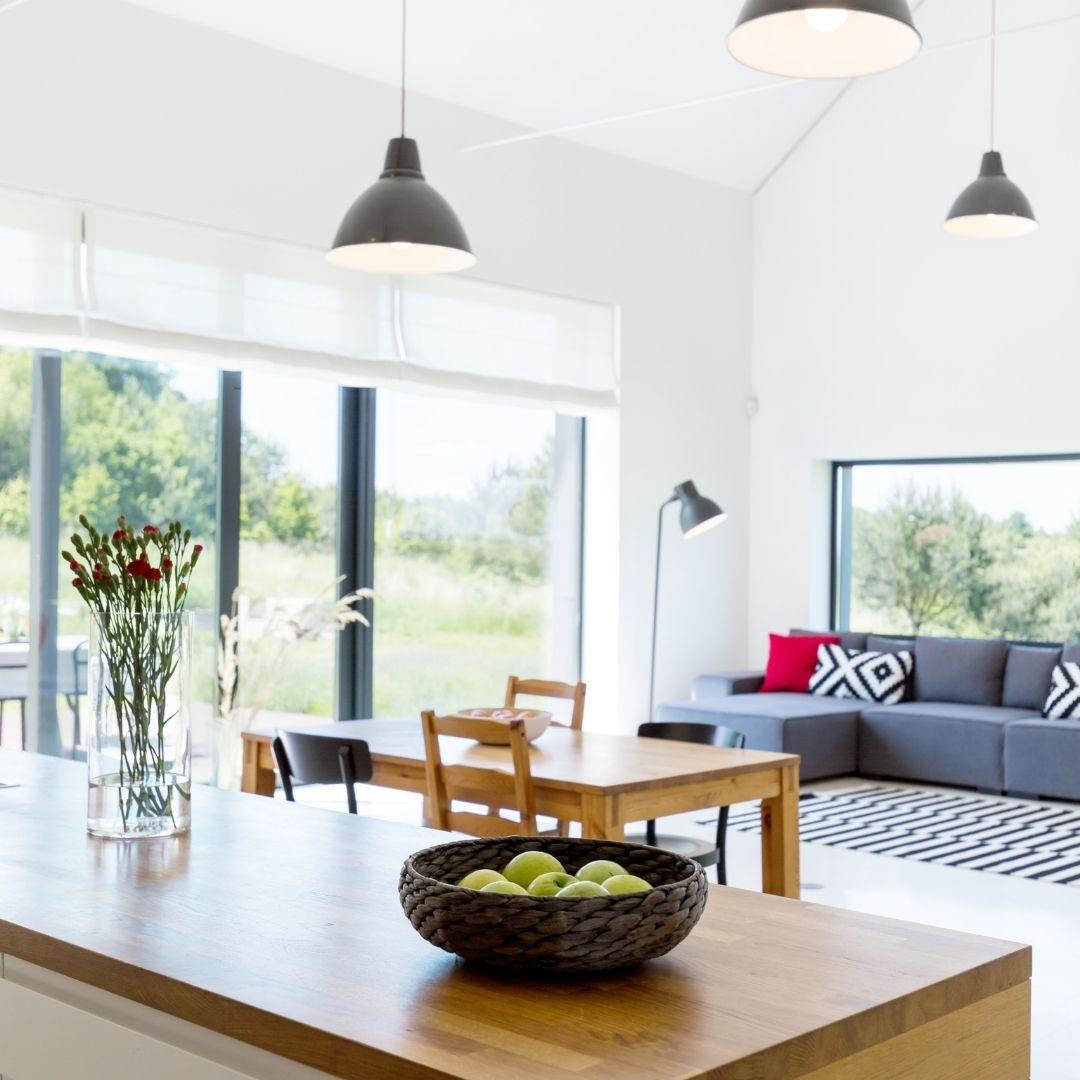
Great pieces in the wrong places still make a room feel awkward. Here is how to arrange furniture for natural flow and easy function — the invisible layer that makes a space work before you style a single shelf.
You can own beautiful furniture and still feel like a room is fighting you. Usually the problem is not the pieces — it is where they sit. Arrangement is the quiet layer beneath decorating: get the flow and function right, and everything you style on top of it finally looks intentional.
Start with the focal point
Every room wants an anchor — a fireplace, a window with a view, the television, or simply the largest piece of furniture. Decide what the room is organized around first, then arrange the main seating to face or frame it. A room with a clear focal point feels settled; one without feels vaguely restless.
Make the conversation work
- Pull seating off the walls. Pushing everything to the edges makes a room feel like a waiting area, not a home.
- Keep seats close enough to talk. Roughly eight feet between facing pieces is comfortable; much more and conversation feels strained.
- Leave clear walking paths. Aim for about three feet of clearance through the main routes so no one has to shuffle sideways.
- Give every seat a place to set a cup down within easy reach.
Anchor it with a rug
A rug defines the seating zone and tells every piece where it belongs. Size up rather than down — ideally the front legs of your main seating sit on the rug, which visually ties the arrangement together. A too-small rug leaves the furniture adrift and the whole room reads as unfinished.
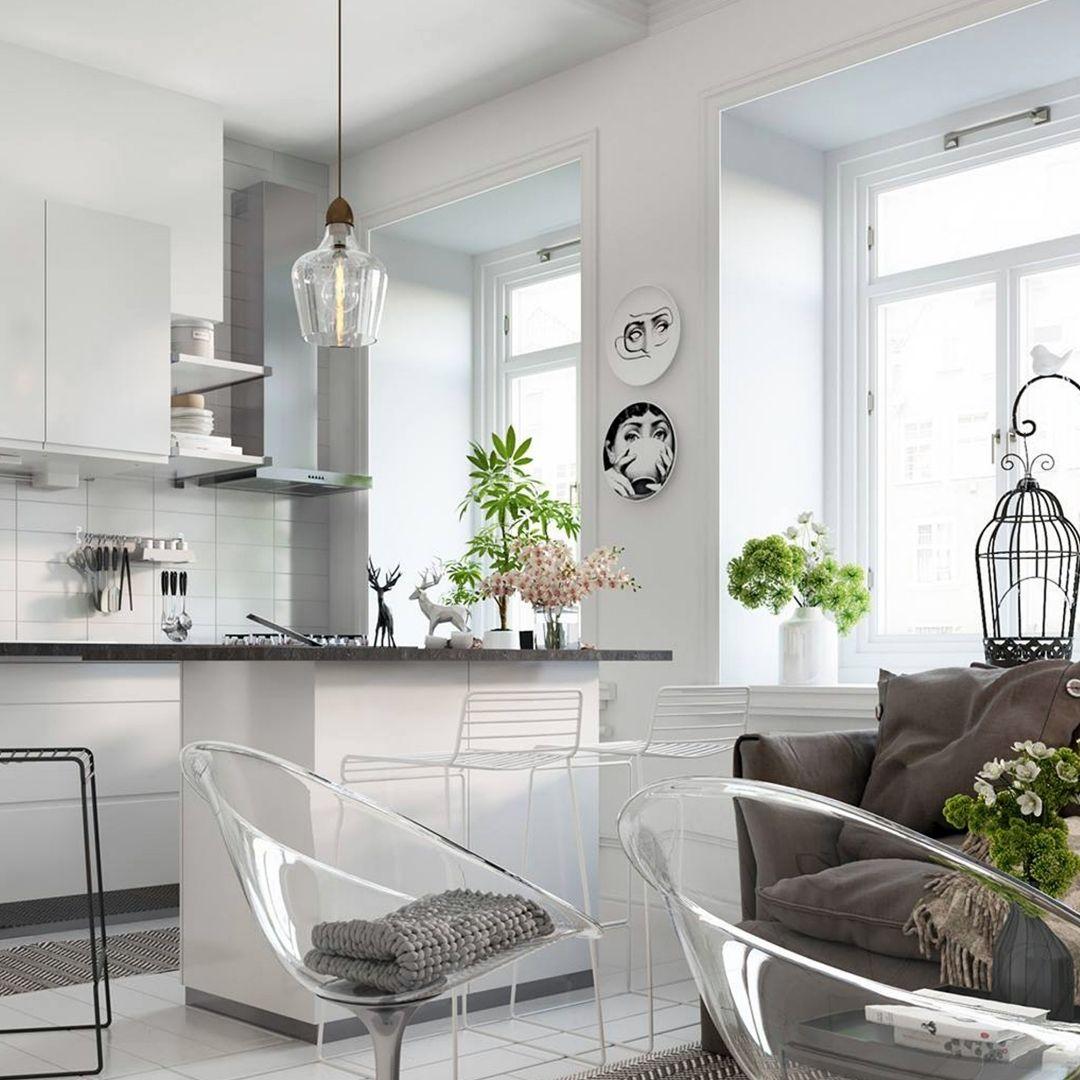
Once the bones of the layout work, decorating becomes the fun part instead of a fix. Flow first, styling second — that order is what makes a room feel effortless to be in.