Sustainable Living
Decorate Slow: A Low-Waste Approach to Furnishing a Home
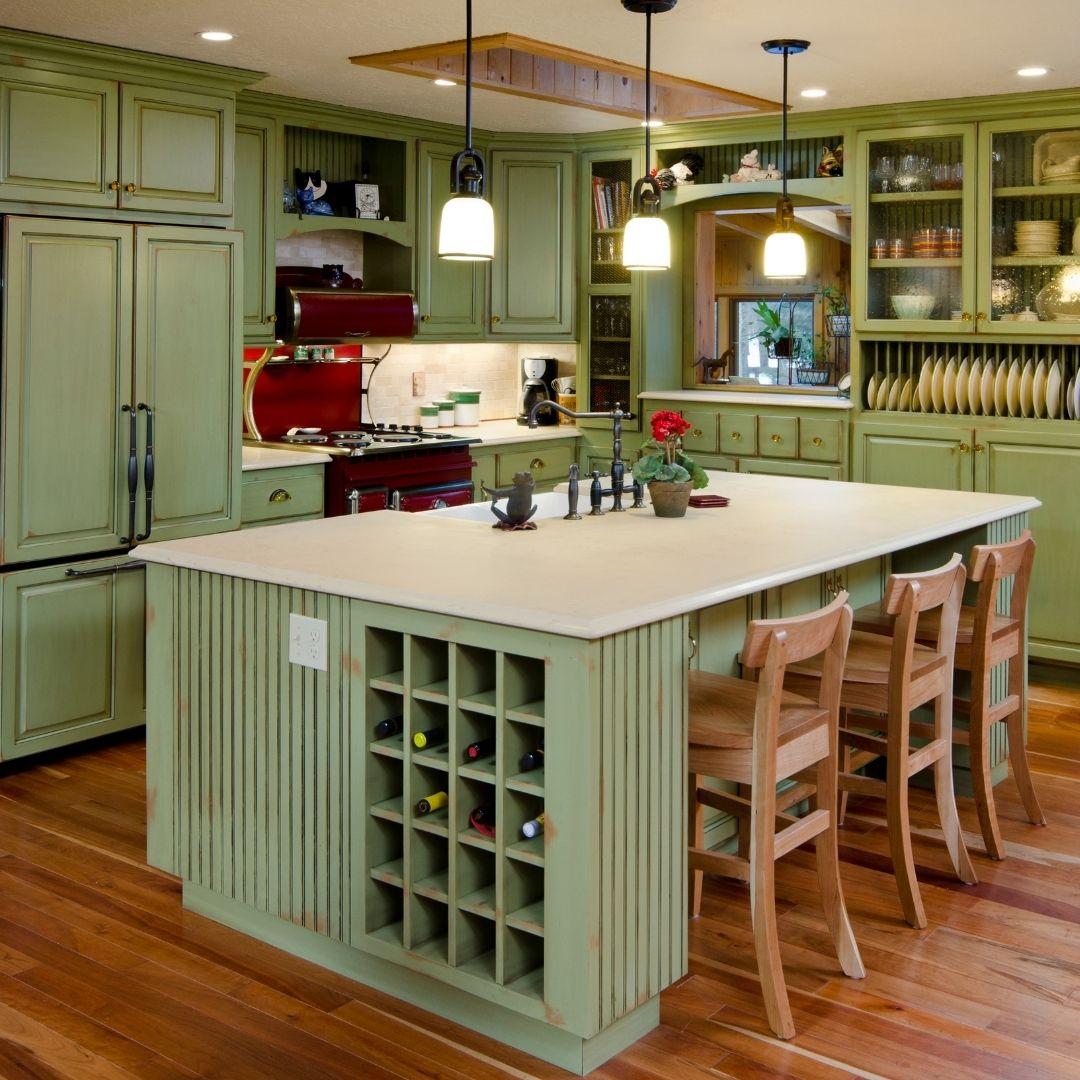
The most sustainable room is the one you do not have to redo. Here is how a slower, more intentional approach — grounded in knowing your interior design style — saves money, reduces waste, and gives you a home with a story.
There is a quiet pressure to finish a home fast — to walk into a furniture store and walk out with a complete room. But the rooms that age best are almost always the ones that came together slowly, piece by considered piece. Decorating slow is not just calmer. It is kinder to your budget and to the planet.
Buy well, buy once
So much furniture ends up in landfills not because it broke, but because it was never built to last in the first place. Investing in solid woods, real metals, and well-made upholstery for your statement pieces means buying them once. Heavy-weight cottons and linens wear in rather than wear out.
- Favor solid wood, metal, and leather for the pieces that have to last.
- Choose hardwearing fabrics — heavy upholstery, cotton, linen — over flimsy weaves that age quickly.
- Be cautious with flat-pack 'fast furniture' for hardworking statement pieces like tables and bookcases.
Give old pieces a second life
Some of the most characterful things in a home are the ones with a past. A secondhand dresser with good bones and a fresh coat of paint becomes a one-of-a-kind piece — and keeps a perfectly good object out of the waste stream. Repurposing is not a compromise; it is often the more interesting choice.
A home does not have to be finished to feel like yours. The gaps are just room for the next piece you will love.