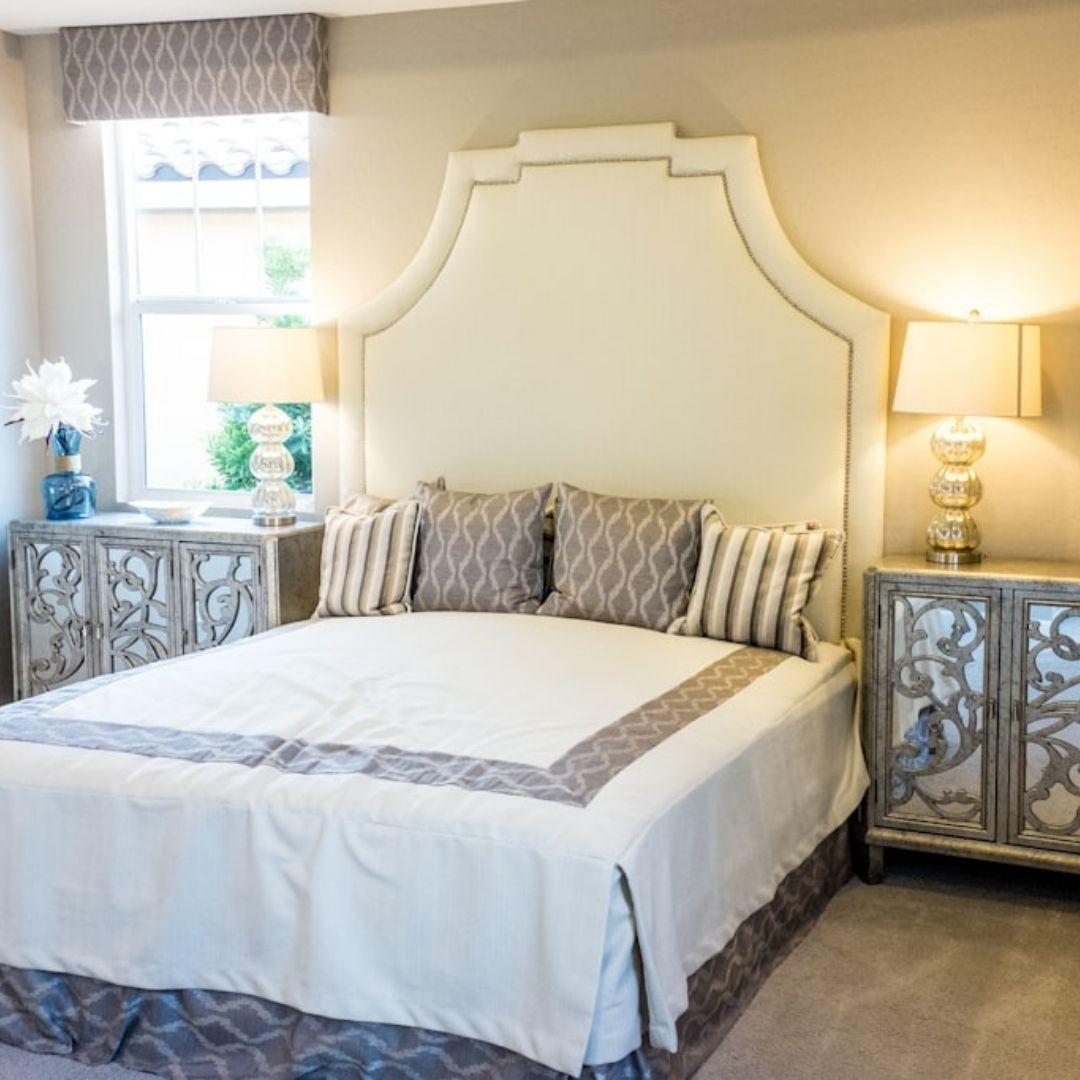
Planning
Building a Mood Board That Actually Guides Your Choices
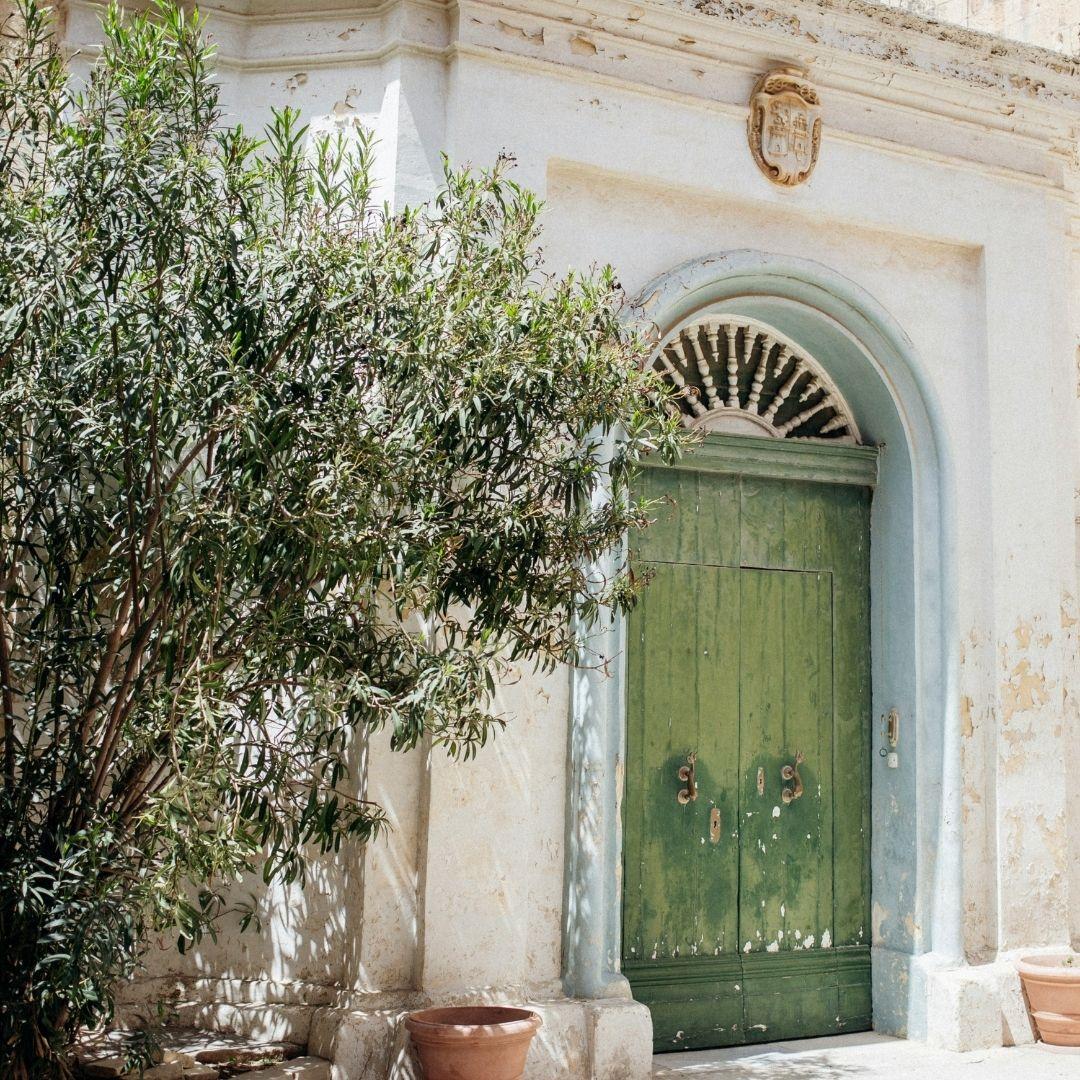
A good mood board is not a pretty collage — it is a decision-making tool, and one of the best first steps to finding your interior design style. Here is how to build one that keeps you focused when you are standing in the store.
Most of us have saved a hundred beautiful rooms and felt no closer to decorating our own. The problem is not a lack of inspiration — it is a lack of a filter. A mood board, done well, becomes that filter: a single reference you can hold a fabric swatch or a paint chip against and instantly know whether it belongs.
Collect widely, then cut ruthlessly
Begin by saving everything that pulls at you — rooms, yes, but also a coat you love, a café you remember, a photograph from a trip. Once you have twenty or thirty images, look for the threads. The same warm wood keeps appearing. You are always drawn to one quiet accent color. Those repeats are your real preferences talking.
What belongs on the final board
- A palette of three to five colors, pulled directly from your favorite images.
- One or two material cues — a wood tone, a metal, a stone, a weave.
- A single image that captures the feeling you are chasing, not just the look.
- A short list of words. 'Calm, warm, uncluttered' is a more useful guide than any photo.
The board is not there to be admired. It is there to say no for you, so you stop bringing home things that almost work.